
Why This Question Matters Again
Many adults who last used cannabis in the 1990s are surprised by how much the plant — and the delivery methods — have changed.
Back then, cannabis was often occasional, social, and far less potent than what is commonly available today. A joint shared among friends in college did not usually carry the same intensity that a modern dispensary product can deliver. At the same time, most people weren’t debating combustion temperatures, vaporization ranges, or carbon monoxide exposure. You smoked it, or you didn’t.
Fast forward twenty or thirty years. The context is different.
Many former users built careers, raised families, and left recreational habits behind. Some quit cigarettes. Many now drink less than they once did, either for health reasons or simply because alcohol hits harder in midlife. Sleep is lighter. Recovery takes longer. Stress is different. The question isn’t about rebellion anymore — it’s about relaxation, control, and health tradeoffs.
When cannabis re-enters the conversation at this stage of life, it often comes with more caution. Adults over 40 tend to ask better questions. What exactly am I inhaling? Is vaping actually different from smoking? Does water filtration make a meaningful difference? Will it irritate my lungs the way cigarettes once did? Is there a way to experience the plant without filling a room with odor?
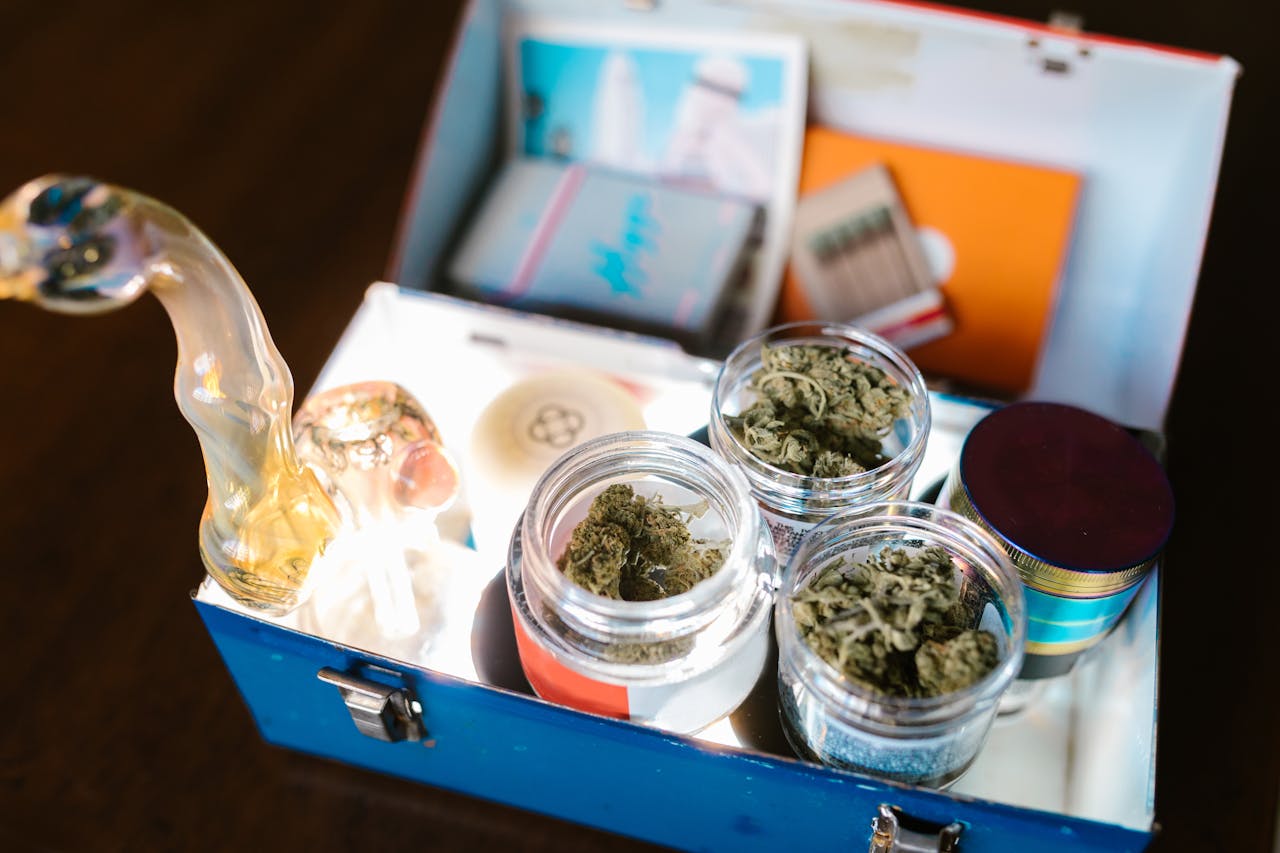
The most common comparison that surfaces is dry herb vaporizer versus bong. Both involve inhaling cannabis flower. Both can deliver cannabinoids effectively. But they operate differently from a chemical and physiological standpoint. One relies on combustion. The other relies on controlled heating below the point of burning.
Understanding those differences — without exaggeration or minimization — is the purpose of this guide.
Cannabis Today Is Not Cannabis From 1998
If your last real experience with cannabis was sometime between the early 1990s and early 2000s, one of the biggest shocks today is potency.
Multiple peer-reviewed analyses of confiscated cannabis samples in the United States show that average THC concentrations have increased significantly over the past three decades. Data published by researchers analyzing federal seizure samples found that average THC levels in cannabis flower rose from roughly 3–4% in the mid-1990s to well above 12% by the late 2010s, with many retail products today testing considerably higher. In regulated markets, it is not unusual to see flower labeled at 18–25% THC.
That shift matters.
Higher THC concentration does not automatically mean a worse experience. But it does mean that dose control becomes more important. A single inhalation from modern flower can deliver a noticeably stronger effect than what many adults remember from college.
Delivery methods have also evolved. In the 1990s, most people encountered cannabis as loose flower rolled into a joint, packed into a pipe, or smoked from a simple water bong. Today, dispensaries offer lab-tested flower, vaporizer devices designed to heat rather than burn plant material, and a wide range of engineered products. Even when focusing strictly on inhaled flower, the tools used to consume it are more technologically refined.
Research access has evolved as well. For decades, cannabis remained classified federally as a Schedule I substance in the United States, which limited large-scale clinical research and complicated study design. While state legalization expanded consumer access, federal restrictions slowed rigorous investigation into long-term health outcomes. Only in recent years has there been broader movement toward easing research barriers, allowing more detailed examination of combustion, vaporization, cardiovascular effects, and respiratory impact.
For returning adults, this creates an unusual situation. The cultural familiarity of cannabis may feel unchanged, but the chemical landscape is not. Potency is higher. Devices are different. Labeling is more precise. Conversations now include carbon monoxide exposure, aerosol formation, terpene preservation, and particulate matter — terms that rarely entered dorm-room discussions in 1998.
Before comparing a bong to a dry herb vaporizer, it is important to understand this baseline reality: modern cannabis is stronger, more standardized, and consumed in a more technologically diverse environment than it was a generation ago. Expectations built on older experiences may no longer map cleanly onto today’s products.
What Happens When Cannabis Burns in a Bong
When cannabis is smoked from a bong or water pipe, the plant material is ignited and undergoes combustion. Combustion occurs at high temperatures — often exceeding 600°C (over 1,100°F) at the tip of a burning bowl. At these temperatures, cannabinoids and terpenes are released, but so are a range of additional chemical byproducts created by burning organic matter.
Combustion does not simply “release THC.” It transforms plant material through rapid oxidation. Alongside cannabinoids, smoke contains carbon monoxide, tar, fine particulate matter, and a class of compounds known as polycyclic aromatic hydrocarbons (PAHs). Many of these compounds are also found in tobacco smoke and other forms of incomplete combustion. Public health and toxicology literature consistently documents that inhaled smoke — regardless of source — carries particulate matter capable of penetrating deep into the lungs.
Carbon monoxide is particularly relevant. It forms when carbon-containing material burns without complete oxygenation. Inhalation of carbon monoxide reduces the blood’s oxygen-carrying capacity temporarily by binding to hemoglobin. Laboratory studies comparing combustion to vaporization have shown higher carbon monoxide exposure from smoked cannabis than from heated, non-combusted flower. That does not automatically translate into identical long-term outcomes, but the exposure difference is measurable in controlled conditions.
Fine particulate matter is another factor. Smoke particles are small enough to reach the lower respiratory tract. Repeated exposure to particulate matter — whether from tobacco, wood smoke, or cannabis — has been associated with airway irritation and symptoms such as chronic cough or bronchitis in some users. Cannabis smoke contains many of the same combustion byproducts identified in tobacco smoke, although patterns of use and frequency differ substantially between the two.
This is where the bong enters the conversation.
A water pipe cools smoke by passing it through water before inhalation. Cooling can make the experience feel smoother and less harsh in the throat. Water may remove some water-soluble components and a portion of larger particulate matter. However, research suggests that water filtration does not eliminate carbon monoxide or fully remove fine particles and many combustion byproducts. Cooling smoke does not fundamentally change the chemistry of combustion itself. The material has already burned.
For returning adults — especially those who previously quit cigarettes — this distinction matters. The smoother sensation from water filtration can create the perception of reduced harm. But reduced throat irritation is not the same as reduced exposure to combustion gases.
That said, smoking from a bong does allow for dose control in a familiar format. Users can take small inhalations, clear the chamber, and pause. The ritual is straightforward. For some, the immediate onset and tactile familiarity feel predictable.
From a purely chemical standpoint, however, a bong remains a combustion-based delivery system. It produces smoke. And smoke, by definition, contains byproducts created through burning plant material.
Understanding that baseline allows for a clearer comparison when we examine what happens when cannabis is heated without being ignited.
What Happens During Dry Herb Vaporization
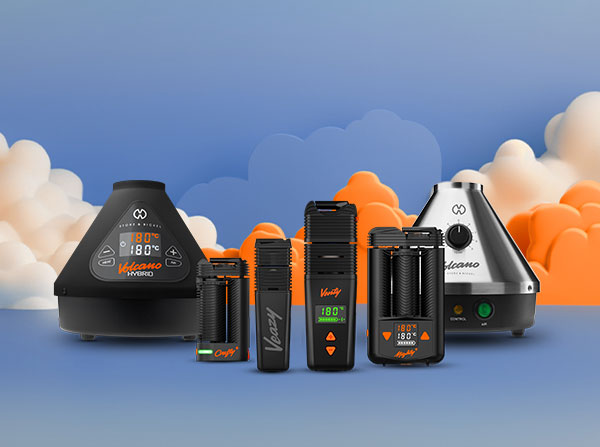
A dry herb vaporizer operates on a different principle than a bong. Instead of igniting cannabis flower, it heats the plant material to a temperature below the point of combustion. Most dry herb devices operate somewhere between roughly 160°C and 220°C (about 320°F to 430°F). At these temperatures, cannabinoids such as THC and CBD, along with aromatic compounds known as terpenes, can vaporize and be inhaled without the plant matter catching fire.
That distinction — heating versus burning — is chemically meaningful.
When cannabis is combusted, it undergoes rapid oxidation that produces smoke, ash, and a complex mixture of combustion byproducts. When cannabis is heated below combustion temperature, the material does not produce smoke in the traditional sense. Instead, it releases an aerosol composed primarily of volatilized cannabinoids and terpenes, along with trace compounds generated by heating organic material.
In controlled laboratory comparisons, vaporization has been associated with lower levels of carbon monoxide exposure compared to smoking the same material. Because carbon monoxide is a product of incomplete combustion, reducing or eliminating combustion reduces that particular exposure pathway. Similarly, certain polycyclic aromatic hydrocarbons (PAHs) — compounds formed during high-temperature burning — appear in lower concentrations when plant material is heated rather than ignited.
It is important, however, to remain precise.
Reduced exposure to some combustion byproducts does not mean vapor is free of respiratory impact. Heating plant material still generates an inhalable aerosol. Fine particles and volatile organic compounds may still be present, and long-term outcome data on habitual dry herb vaporization remain limited compared to decades of tobacco research. The absence of smoke does not equal the absence of inhaled substances.
For returning adults — especially those who previously quit cigarettes — the sensory difference can be noticeable. Vapor tends to feel cooler and less harsh than smoke, particularly at lower temperature settings. There is no ash. The material does not continue burning between inhalations. The odor is often less persistent in a room compared to smoke, though it is not odorless.
Another practical distinction involves temperature control. Many dry herb vaporizers allow users to select specific heat ranges. Lower settings emphasize terpene release and may produce lighter vapor. Higher settings increase cannabinoid extraction and visible vapor density. This degree of control can allow some users to titrate their experience more gradually than with a continuously burning bowl.
From a chemical standpoint, the key difference remains this: vaporization avoids combustion. That reduces exposure to certain combustion-related toxins under laboratory conditions. What it does not do is transform inhaled cannabis into a risk-free activity.
Understanding both what vaporization changes — and what it does not — is essential before drawing conclusions about which method aligns best with an individual’s health priorities and comfort level.
Common Concerns About Vaping (Including “Popcorn Lung”)
Any discussion of vaporization eventually runs into the same concern: “What about popcorn lung?”
The term refers to bronchiolitis obliterans, a rare but serious lung condition first identified in workers exposed to high levels of diacetyl — a buttery-flavored chemical used in food manufacturing. In the early days of nicotine e-cigarettes, some flavored e-liquids were found to contain diacetyl. That association led to widespread headlines linking “vaping” to popcorn lung.
It is important to separate contexts.
Dry herb cannabis vaporizers do not use flavored liquid carriers. They do not rely on propylene glycol, vegetable glycerin, or added flavoring agents. They heat raw plant material. Because of that, the specific concern about diacetyl exposure from flavored nicotine liquids does not directly apply to dry herb vaporization.
That said, the broader category of “vaping” became further complicated in 2019 during the outbreak of EVALI (e-cigarette or vaping-associated lung injury). Investigations by public health authorities linked most EVALI cases to illicit or adulterated THC oil cartridges containing vitamin E acetate, an additive used to thicken black-market products. Again, that outbreak was not associated with dry herb vaporization of natural cannabis flower, but the public distinction was often lost in headlines.
For returning adults trying to make sense of this, the terminology overlap can be confusing. “Vaping” can refer to very different delivery systems:
- Nicotine e-liquids with flavor additives
- THC oil cartridges
- Dry herb vaporizers heating whole cannabis flower
These systems do not produce identical aerosols, and they do not carry identical risk profiles.
Still, caution is appropriate.
Heating organic material — even without combustion — generates an inhalable aerosol. While laboratory research suggests reduced carbon monoxide and lower concentrations of certain combustion byproducts compared to smoking, long-term longitudinal data on exclusive dry herb vaporizer users remain limited. Most existing research on inhalation-related disease risk is based on tobacco smoke exposure over decades. Cannabis research, though expanding, has not yet produced comparable multi-decade outcome studies for vaporization.
For former cigarette smokers, this uncertainty matters. The goal is not to replace one respiratory irritant with another. It is to understand tradeoffs clearly. Vaporization may reduce exposure to combustion-related toxins under controlled conditions. It does not eliminate inhalation exposure altogether.
A helpful way to think about it is this: dry herb vaporization changes the chemical process by avoiding ignition. It does not eliminate the fact that cannabinoids are being delivered through the lungs.
Addressing concerns openly — including misconceptions — is part of making an informed choice. Fear-based headlines and blanket assurances are equally unhelpful. Precision is more useful than either alarm or dismissal.
Dose Control, Onset, Flavor, and Experience Differences
For many returning adults, the most noticeable difference between a bong and a dry herb vaporizer is not theoretical chemistry. It is how the experience feels in real time.
Combustion delivers cannabinoids quickly and forcefully. When cannabis is ignited in a bong, smoke enters the lungs along with cannabinoids, terpenes, and combustion byproducts. The onset is rapid — often within seconds. The intensity can feel immediate and pronounced, particularly with modern higher-THC flower. Because the bowl continues burning between inhalations, the exposure is less controlled unless the user carefully limits intake.
A dry herb vaporizer operates differently. Most devices heat the flower only while actively drawing or while the chamber remains at a set temperature without visible combustion. There is no burning ember. That difference changes pacing.
Vapor tends to be less harsh at lower temperature settings. Many devices allow incremental temperature adjustments, often in 5–10 degree increments. Lower settings emphasize terpene release, producing lighter vapor and often more distinct flavor notes. Higher settings increase cannabinoid extraction and visible vapor density. This temperature control can allow users to titrate more gradually — taking one or two inhalations, waiting, and deciding whether to continue.
Flavor is also experienced differently.
Combustion blends cannabinoids with the taste of smoke. Some users appreciate the familiar, roasted character. Others find it harsh or overpowering. Vaporization, by avoiding ignition, often produces a cleaner taste profile that more closely reflects the plant’s terpene composition. Whether that is preferable is subjective. Some returning users describe vapor as “lighter” or “clearer.” Others perceive it as less forceful.
Smell and discretion can matter at this stage of life as well.
Smoke from a bong produces a distinct, lingering odor that can cling to fabric and remain in enclosed spaces. Because smoke contains fine particulate matter and combustion byproducts, it tends to settle and persist. Vapor, while not odorless, typically dissipates more quickly in open air and does not produce ash. The practical difference may be noticeable in indoor settings, though it should not be overstated.
There are also ritual differences.
A bong session is visually and tactilely obvious. There is flame, bubbling water, and visible smoke. For some, that familiarity is part of the experience. For others — particularly former cigarette smokers — the act of igniting plant material may feel uncomfortably close to prior habits.
A vaporizer removes flame from the equation. There is no lighter, no burning bowl, and no ash. The absence of combustion changes not just the chemistry but the visual cues associated with use.
In terms of onset, both methods deliver cannabinoids rapidly through inhalation. However, vapor sessions may feel more incremental when users deliberately keep temperatures lower and take shorter draws. That sense of pacing can be useful for adults who are reintroducing cannabis after a long absence and want to avoid overwhelming intensity.
Neither method eliminates the need for moderation. Modern flower is potent. Small inhalations — regardless of device — can produce stronger effects than many remember.
The differences here are practical and experiential as much as chemical. How much control you want, how much odor you can tolerate, how sensitive your throat and lungs feel, and how you relate to the ritual itself all factor into the decision.
Quick Comparison: Bong vs Dry Herb Vaporizer
Side-by-Side Snapshot
| Category | Bong (Combustion) | Dry Herb Vaporizer (Heated, No Combustion) |
|---|---|---|
| Heat Source | Direct flame | Controlled heating element |
| Smoke vs Vapor | Produces smoke | Produces vapor (aerosol) |
| Carbon Monoxide | Present | Lower in lab comparisons |
| Particulate Matter | Present (combustion particles) | Reduced combustion particles |
| Throat Feel | Can feel heavy or hot | Often smoother at lower temps |
| Flavor | Smoky, roasted | Cleaner terpene expression |
| Odor | Stronger, lingers longer | Less persistent but noticeable |
| Discretion | Low in indoor spaces | Moderate, dissipates faster |
| Device Simplicity | Very simple | Requires device & maintenance |
| Control Over Intensity | Moderate | Higher (temperature adjustable) |
| Ash / Residue | Yes | No ash |
If You Value Simplicity
A bong is straightforward. No batteries. No settings. What you see is what you get. The tradeoff is combustion chemistry and stronger odor.
If You Value Control
A dry herb vaporizer allows temperature adjustment and pacing. That control can help returning users ease back in more gradually. The tradeoff is device dependence and learning curve.
If You’re Concerned About Inhalation Exposure
Combustion introduces smoke byproducts. Vaporization avoids ignition and reduces certain combustion-related toxins in laboratory settings. Neither method eliminates inhalation exposure entirely.
If Discretion Matters
Smoke tends to linger and cling to surfaces. Vapor typically dissipates more quickly, though it still smells like cannabis while active.
If You Haven’t Used Cannabis in 20 Years
Modern flower is stronger. Regardless of device, smaller inhalations and slower pacing matter more than the device choice alone.
Special Considerations for Adults Over 40 and Former Smokers
Returning to cannabis in midlife is not the same as experimenting in a dorm room at nineteen. The body changes. Cardiovascular risk profiles shift. Lung capacity may not be what it once was. Sleep patterns, stress levels, and medication use are often different as well. For adults over 40 — especially those who previously smoked cigarettes — these variables deserve consideration.
From a respiratory standpoint, inhalation of any heated aerosol or smoke introduces irritants into the airways. Former cigarette smokers may have heightened sensitivity to throat heat, cough reflex, or airway inflammation, particularly if they smoked heavily in the past. Combustion-based methods introduce smoke and carbon monoxide. Vaporization avoids ignition and reduces certain combustion byproducts under laboratory conditions, but it still involves inhaling heated compounds into the lungs. The difference is relative, not absolute.
Cardiovascular effects are also relevant. THC can temporarily increase heart rate and alter blood pressure. For most healthy adults, these changes are transient. However, individuals with known cardiovascular disease, arrhythmias, or uncontrolled hypertension should be aware that inhaled cannabis is not physiologically neutral. The method of delivery does not eliminate the systemic effects of cannabinoids themselves.
Former smokers often have another layer of concern: behavioral cues.
The act of lighting a bowl, inhaling smoke, and exhaling visible clouds can feel uncomfortably close to prior cigarette rituals. For some people, that resemblance is insignificant. For others, it can trigger memories or associations they would prefer not to revisit. A dry herb vaporizer removes flame from the process. There is no lighter, no burning ember, and no ash. That distinction may feel psychologically meaningful to someone who worked hard to quit nicotine.
Device type can also influence comfort.
Conduction vaporizers heat cannabis by direct contact with a heated chamber. Once the chamber reaches temperature, the material continues to warm until the session ends. Convection vaporizers heat air that passes through the flower, producing vapor primarily during inhalation. Convection systems often generate less idle vapor between draws. For adults concerned about unnecessary exposure or lingering heat, understanding this difference can help them choose a device aligned with their priorities. A simple memory aid: conduction equals contact heat; convection equals current of hot air.
Medication use is another factor often overlooked in younger audiences. Many adults over 40 take medications for blood pressure, cholesterol, anxiety, sleep, or other chronic conditions. Cannabinoids can interact with certain drugs metabolized by liver enzymes in the cytochrome P450 system. That does not automatically mean cannabis is unsafe, but it does mean that moderation and awareness are prudent — particularly when reintroducing use after a long absence.
Finally, tolerance should not be assumed.
Modern cannabis potency is higher than it was decades ago. A single inhalation may produce a stronger effect than expected. Regardless of whether one chooses a bong or a vaporizer, smaller inhalations and pauses between draws are advisable for returning users. Overconsumption is far more common today than underconsumption, largely because potency and extraction efficiency have increased.
Adults in this stage of life tend to value control, predictability, and minimal disruption to daily function. The method chosen should reflect those priorities — not nostalgia alone, and not marketing claims.
The goal is not perfection. It is informed moderation.
Final Thoughts: Choosing With Clarity
For adults returning to cannabis after a long absence, the question is rarely about rebellion or novelty. It is about balance. How do you relax without overdoing it? How do you enjoy the plant without feeling careless about health? How do you avoid repeating habits you intentionally left behind?
A bong and a dry herb vaporizer both deliver cannabinoids through inhalation. Both can produce rapid onset. Both can be used moderately or excessively. The difference lies in how the plant is processed before it reaches the lungs.
A bong relies on combustion. Burning plant material produces smoke, carbon monoxide, particulate matter, and the familiar sensory intensity many former users remember. Water filtration can cool the smoke, but it does not remove the fact that combustion has occurred.
A dry herb vaporizer heats the plant without igniting it. Laboratory research suggests this reduces exposure to certain combustion-related byproducts, and many users report a smoother throat feel and less persistent odor. At the same time, vaporization still involves inhaling heated aerosol, and long-term outcome data remain limited compared to decades of tobacco research.
For most returning adults, the decision comes down to priorities:
If simplicity and familiarity matter most, combustion may feel straightforward.
If temperature control, reduced odor, and avoiding ignition matter more, vaporization may align better.
In either case, the most important variable is not the device — it is moderation. Modern cannabis is stronger than many remember. Smaller inhalations, deliberate pacing, and attention to personal tolerance will matter more than the hardware used.
Informed decisions rarely require hype. They require clarity.
Frequently Asked Questions
Is vaping cannabis safer than smoking from a bong?
Laboratory studies suggest that vaporizing dry cannabis flower reduces exposure to certain combustion-related byproducts, such as carbon monoxide and some polycyclic aromatic hydrocarbons, compared to smoking. However, vaporization still involves inhaling heated aerosol, and long-term health outcome data are limited. “Reduced exposure” does not mean risk-free.
Does a dry herb vaporizer smell less than a bong?
Vapor typically produces less persistent odor than smoke because it does not contain ash or the same concentration of combustion particles. The smell tends to dissipate faster in open air. However, vapor is not odorless, and cannabis aroma is still noticeable during active use.
What is “popcorn lung,” and does dry herb vaping cause it?
“Popcorn lung” refers to bronchiolitis obliterans, a condition linked to high occupational exposure to diacetyl and, historically, some flavored nicotine e-liquids. Dry herb vaporizers heat raw cannabis flower and do not use flavored liquid additives. The specific diacetyl concern does not apply to dry herb vaporization.
Is modern cannabis stronger than it was in the 1990s?
Yes. Peer-reviewed analyses of cannabis samples over time show that average THC concentrations have increased significantly since the 1990s. Many products available today test at substantially higher potency levels, making dose control more important for returning users.
If I quit cigarettes years ago, should I avoid inhaled cannabis entirely?
Former smokers may be more sensitive to inhaled irritants. Both smoking and vaporizing involve inhaling heated compounds into the lungs. Individuals with respiratory or cardiovascular conditions should consider personal health history and, when appropriate, consult a healthcare professional before resuming inhalation-based cannabis use.
Bibliography
(All external links will be marked rel=”nofollow” in the WordPress version.)
Cannabis Potency Trends
- ElSohly MA et al. “Changes in Cannabis Potency Over the Last Two Decades.” Biological Psychiatry.
- National Institute on Drug Abuse (NIDA). “Marijuana Potency.”
https://nida.nih.gov
Cannabis Smoke and Combustion Byproducts
- Moir D. et al. “A Comparison of Mainstream and Sidestream Marijuana and Tobacco Cigarette Smoke Produced Under Two Machine Smoking Conditions.” Chemical Research in Toxicology.
- Oregon Health Authority. “Marijuana Smoke and Respiratory Health.”
https://www.oregon.gov/oha - National Institute on Drug Abuse (NIDA). “Is Marijuana Smoke Harmful?”
https://nida.nih.gov
Carbon Monoxide & Vaporization Research
- Abrams DI et al. “Vaporization as a Smokeless Cannabis Delivery System: A Pilot Study.” Clinical Pharmacology & Therapeutics.
- Spindle TR et al. “Acute Effects of Smoked and Vaporized Cannabis in Healthy Adults.” JAMA Network Open.
EVALI and Vaping-Associated Lung Injury
- Centers for Disease Control and Prevention (CDC). “Outbreak of Lung Injury Associated with the Use of E-Cigarette, or Vaping, Products.”
https://www.cdc.gov
Cardiovascular Considerations
- American Heart Association. “Marijuana Use and Cardiovascular Disease.”
https://www.heart.org - Page RL et al. “Medical Marijuana, Recreational Cannabis, and Cardiovascular Health.” Circulation.
Drug Interaction Considerations
- National Center for Complementary and Integrative Health (NCCIH). “Cannabis (Marijuana) and Cannabinoids.”
https://www.nccih.nih.gov